
A character can be brave, witty, mysterious and ridiculously good-looking, and still be about as interesting as a wet sock. That’s where character building comes in. It’s the process of creating believable, memorable characters by developing their personalities, motivations, backgrounds and relationships.
So what makes some fictional characters stick with us long after we’ve finished a book? That’s what we’ll cover in this article. Creating the sort of characters who make questionable decisions and occasionally contradict themselves.
It’s Claire again, by the way. The Quibble team liked my first article, so they’ve decided to let me loose on another one. Last time, I got into the wonderfully complicated world of magic systems.
Want to write too? Pitch your guest post at [email protected].
Character Building: Don’t Start With a List of Personality Traits
One of the easiest traps in character building is starting with a list of traits. Your protagonist is brave, intelligent and sarcastic. Your antagonist is manipulative and ruthless. Your sidekick is funny and loyal.
Ok, the traits will come in handy eventually. But the labels don’t tell us much about who these people are.
Take two characters who are both brave. One grew up protecting younger siblings in an unstable household. The other was mocked for being a coward and now refuses to back down from anything. Same trait, but very different reasons, and very different behaviour when trouble arrives.
If you’re wondering how to build a character, start by understanding what shaped them, rather than deciding what personality traits they should have.
If you insist on starting with personality traits, you need to at least ask yourself: “What made them this way?” Start with a few experiences that shaped how your character sees the world, then work backwards to how those experiences influence their choices.
How to Create a Character: Give Them Something to Want
A compelling character wants something. It might be revenge, freedom, recognition or survival. It might be something smaller: earning a parent’s respect or feeling wanted.
The interesting part is often the gap between what a character wants and what they need. For example, a knight might dream of becoming the kingdom’s most celebrated warrior, when what he really craves is his father’s approval.
When making a character, or figuring out how to make characters who feel genuinely believable, pin down three things:
1. External desire: What are they actively trying to achieve?
2. Internal need: What do they need to understand, accept or change?
3. Obstacle: What fear or belief keeps getting in their way?
For the ambitious knight, the obstacle might be his belief that admiration and love are the same thing. He could win every tournament and still feel unwanted. Better yet, when forced to choose between glory and helping someone who needs him, his decision reveals what matters more to him.
Give Your Characters Contradictions
Real people are bundles of contradictions (I’m a morning person who hates getting out of bed, for starters). Fictional characters should be, too. It’s one of the most interesting aspects of character building.
Think of the fastidious host who secretly resents having guests or the brilliant but mercurial strategist who keeps sabotaging their relationships. Contradictions make characters unpredictable without making them inconsistent.
A contradictory character behaves differently because different situations bring out different sides of them. Much like someone who insists they hate drama but somehow knows everyone’s business (we all have that friend).
Pay attention to the gap between what your character says and what they actually do. Someone who claims to value honesty but lies to protect their reputation has a built-in source of tension. Hypocrisy, after all, is hardly a fictional invention.
Let readers spot a few contradictions for themselves. Give them something to chew on. In my experience, they will actually enjoy spotting them more than you enjoy writing them.
EDIT: Romance is practically built on contradictions, so I’ll write a dedicated article exploring how contradictions create romantic tension and chemistry.
Backstory: How Much is Too Much?
Backstory matters. A lot. Personally, I love adding little details about my characters’ lives. Their childhood memories, peculiar habits, family dramas, that one embarrassing thing that happened twelve years ago… You get the idea. But I’ve learned that not every detail needs to make it into the main story. Sometimes less really is more.
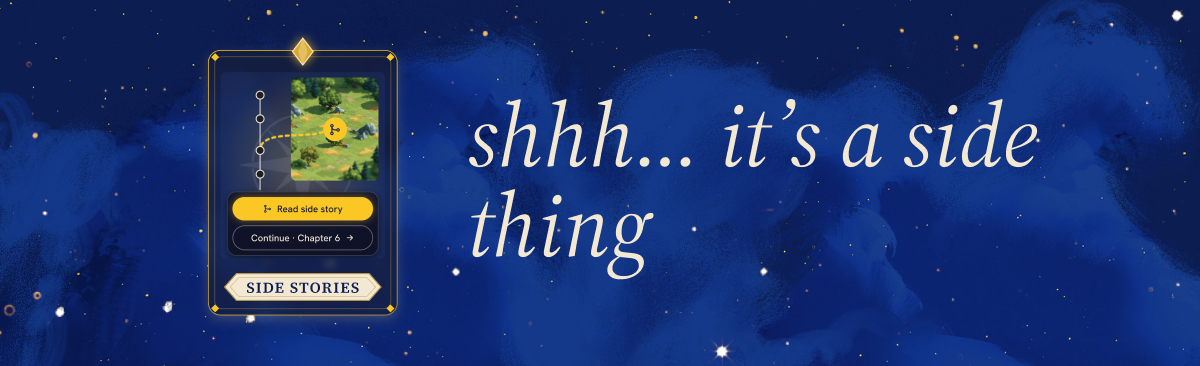
Here’s something I’m particularly excited about: Quibble is working on “side stories,” which will give writers room to explore their characters’ histories, relationships and little adventures without cramming everything into the main narrative. So, if you’re someone who could happily write another 20 pages about your protagonist’s childhood, there will finally be a place for all that material (without forcing everyone to read it first).
Make Them Visually Distinct
Yes, the physical description matters. Absolutely. But, there’s something satisfying about eventually figuring out what someone looks like, from their slightly crooked nose to a ridiculous coat they insist on wearing everywhere. A particular hairstyle or outfit is precisely what makes a character stick in your head.
I find it fun to experiment with character art. Seeing someone you’ve been writing about suddenly take visual shape can reveal details you hadn’t thought of before. Maybe they look a little different from what you imagined, or perhaps you discover that your supposedly intimidating villain has the face of someone’s favourite uncle. Awkward.
If you fancy exploring that side of character creation, we’ve written about character art for books. And if you’re wondering when to let readers actually see those characters, rather than leaving everything to their imagination, have a look at our article on visual storytelling in fiction.

Character Building Through Conflict
You can tell readers that someone is courageous, compassionate or loyal. But those qualities become meaningful only when there’s something at stake.
A character who believes family always comes first is easy to understand, until their family asks them to do something unforgivable. Do they comply, refuse or look for a way around it? Each choice reveals something.
One of the most effective methods of character development is putting pressure on your character’s beliefs. Test a generous person’s willingness to give when they have little left. Make an obdurate character reconsider without enough information.
Conflict doesn’t have to turn someone into a better person. They can become more selfish, cynical or fearful, or sweep an ugly truth under the rug. Sometimes the most compelling character story is watching someone become the person they once claimed to despise (funny how quickly we become our own worst examples).
Character Development Doesn’t Always Mean Change
There’s a popular assumption that knowing how to write a good character means giving them a dramatic transformation. I wouldn’t treat that as a rule. Imagine a protagonist who’s fiercely protective of their younger sister. Over the course of the story, they learn to trust her independence. Their love hasn’t changed; their understanding of what that love requires has.
That’s development, too. Choose the arc that suits your story. Don’t force a personality transplant. A small shift, earned through difficult choices, can carry more weight.
Let Relationships Reveal Different Sides
People let different sides of themselves slip out depending on who’s in the room. That subtle shift is where character development really comes into its own. A protagonist might be decisive in battle, yet awkward around their romantic interest and downright childish when arguing with an older sibling.
Sometimes the person who understands your protagonist best is also the person who knows exactly how to hurt them. Remember that.
Let Readers Help Develop Your Characters
That’s what I love about publishing chapter by chapter. Sometimes your readers will notice things you’ve completely overlooked or interpret a character in a way you hadn’t anticipated.
You don’t have to follow every suggestion, of course. It’s still your story! But those conversations can give you fresh ideas and help you see your characters through someone else’s eyes.
That’s one of the things I enjoy about Quibble. There’s plenty of character talk happening in the Discord community, too. Come join us!
Character Building: A Quick Exercise
This simple character building exercise can help you figure out what makes them tick. No elaborate character sheets required.
- What do they desperately want, and what’s stopping them?
- What’s their biggest fear? And no, “spiders” doesn’t count unless it’s somehow relevant to the plot.
- What do they believe about themselves that might be completely wrong?
- What two contradictory qualities make them interesting?
- What would finally push them to betray their own principles?
- What could happen that would genuinely change their perspective?
Don’t overthink your answers.
Sometimes Your Characters Have Other Plans
One of my favourite (and occasionally most inconvenient) things about writing fiction is when a character refuses to “cooperate.” You had a perfectly reasonable plan for them, a nice little arc and perhaps even a dramatic ending. Then, halfway through writing, they do something unexpected. They just have to do it. This one scene ends up being central to the story.
Maybe they refuse to fall in love with the person you picked for them. Maybe the supposedly insignificant side character turns out to be far more interesting than your protagonist. Or perhaps your villain makes one unexpectedly decent decision and ruins your carefully planned reputation for them.
I’ve learned not to fight these moments too quickly. They often lead somewhere far more interesting than anything I’d planned. That’s part of character building, too: allowing your characters to surprise you rather than forcing them to follow a carefully planned path.